ABOUT THE LAB
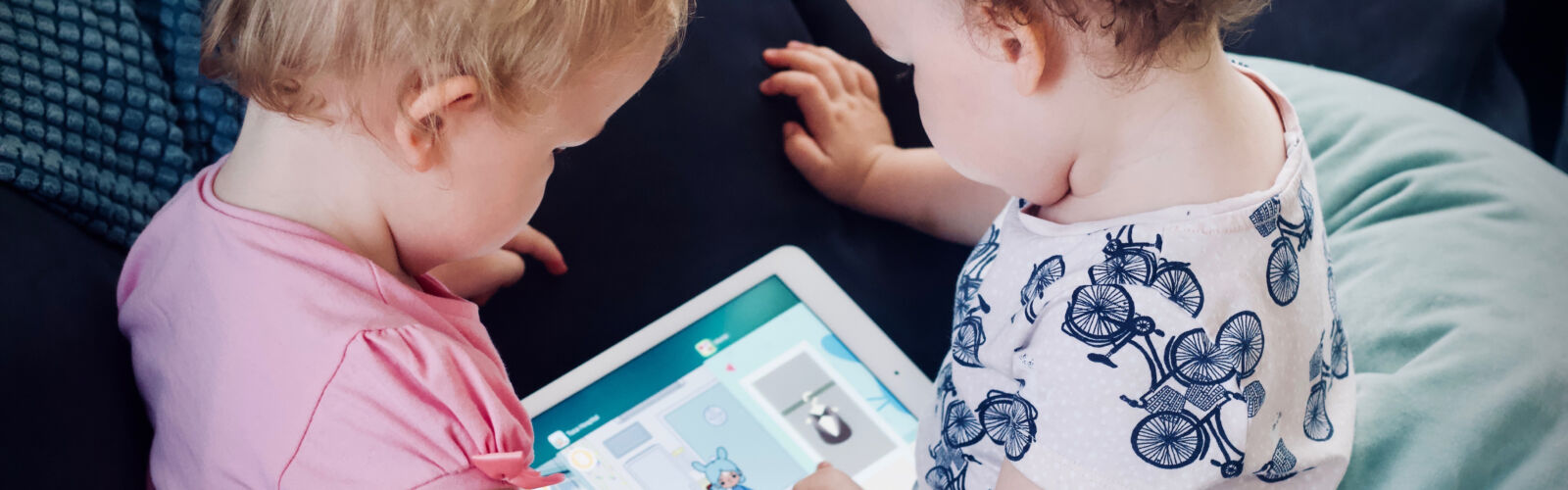
Understanding how young brains grow—and helping children thrive
Our lab studies how babies’ and young children’s brains develop after an early neurological condition or brain injury. We are especially interested in the skills that help children learn, focus, solve problems, communicate, and adapt—the building blocks for success in school and everyday life.
We combine brain imaging, measures of brain activity, developmental assessments, and observations of how children learn and play to understand why some children experience cognitive challenges while others thrive. By following children over time, we hope to identify early signs that can tell us which children may benefit from additional support—long before difficulties become apparent in the classroom.
But we don’t just want to predict outcomes. We want to change them.
One of our major projects, Virtual A², is developing a parent-delivered, play-based approach to supporting early learning and cognitive development. Inspired by the Abecedarian Approach, Virtual A² brings developmental support into families’ everyday lives through simple, meaningful interactions between caregivers and their children. Our goal is to make high-quality early intervention easier to access and easier to fit into real life.
Families are partners in this work. We are also studying how to make research easier and more worthwhile for parents—from participating virtually to reducing unnecessary visits and burden, and designing studies around what families actually value.
Ultimately, our goal is simple: understand the earliest foundations of learning, intervene when the brain is most adaptable, and give every child the strongest possible foundation for school and life.
PART OF A LARGER COMMUNITY

The Neonatal Neurology Program at the University of Wisconsin School of Medicine and Public Health is committed to providing the highest quality of care among newborns with neurological disorders. Our providers offer comprehensive and family-centered care, with a focus on neuroprotection. Team members are involved in a wide range of clinical and translational research projects that seek to optimize long-term neurodevelopmental outcomes among these high-risk infants. Our program offers ample opportunities for trainees: medical students, residents and fellows across a wide variety of specialty fields are welcome to gain expertise with our team, with the ultimate goal to become the next generation of leaders in the field.
RESEARCH PROJECTS

Biomarkers Study
The study will identify early predictors of long-term cognitive disability among at-risk children. Methods include use of MRI, EEG, and behavioral/cognitive assessments to meet study goals.

Language and Brain Development
This study aims to understand the early brain markers associated with optimized language development in the first 12 months of life.

Virtual A²
Virtual A² supports children’s development by giving parents practical tools to build on the learning opportunities already present in everyday interactions. Through responsive play, shared attention, and communication, caregivers create engaging learning experiences tailored to their child’s individual strengths and needs. These everyday interactions help children regulate their emotions and bodies, build strong connections with their caregivers, and explore their environment with confidence and curiosity. Intentional experiences are designed to support early attention and emerging cognitive skills, building a foundation for continued learning, development, and school readiness.
Our Measures
EEG

Electroencephalography (EEG) is a non-invasive test that detects electrical activity in your child’s brain using small, metal discs (electrodes) attached to a hat that your child will be asked to wear. Because you and your child’s brain cells communicate via electrical impulses and are active all the time, this activity shows up as brain waves on an EEG recording! Your child’s brain activity will be assessed using EEG while your child is playing and cuddling with you.
Play-based Assessments

Another way to test what children know is by having them play different games that require for them to think, plan and focus. We will play several games with your child, to learn how children develop attentional and memory abilities.
TEAM
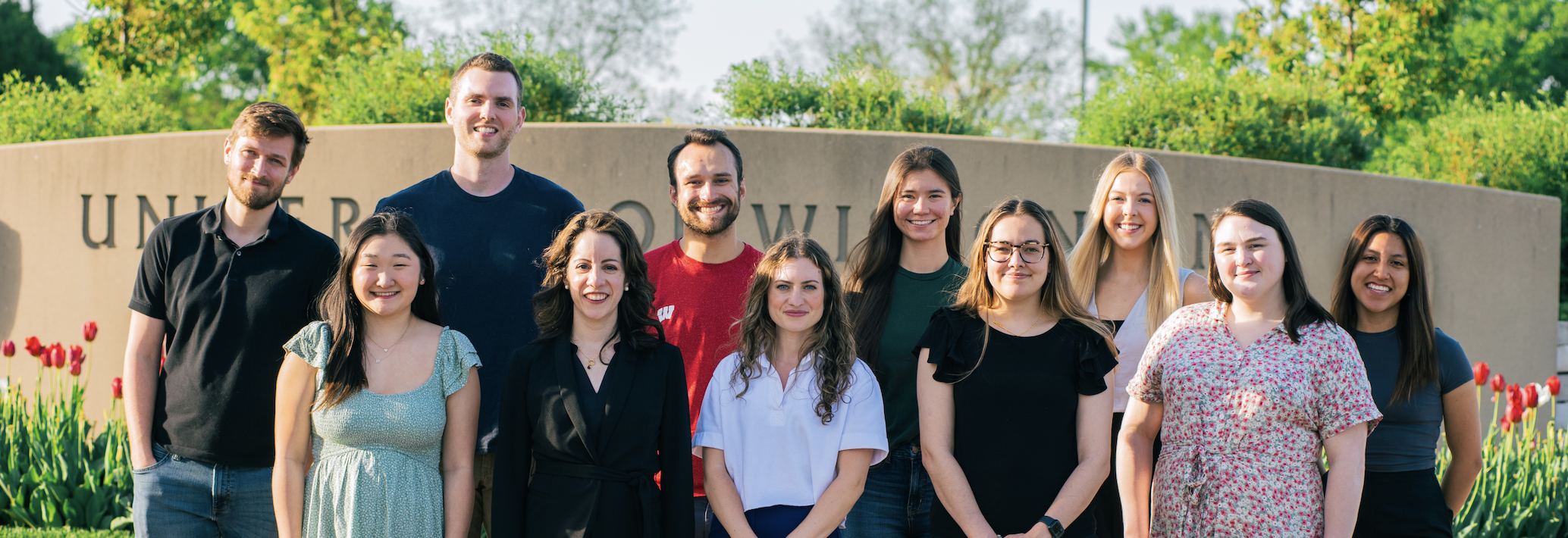
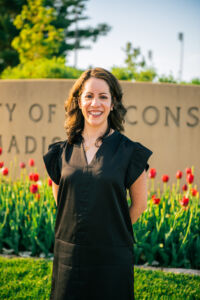 Principal Investigator: Melisa Carrasco McCaul, MD, PhDI am a pediatric neurologist with specialty training in Neonatal Neurology (Johns Hopkins Hospital, 2019-2020) and Pediatric Epilepsy (University of Michigan, 2020-2021). I am also currently an Assistant Professor and Director of Neonatal Neurocritical Care and Rehabilitation at the University of Wisconsin. My research focuses on the long-term executive function and cognitive development of children, following a perinatal brain injury and acute symptomatic neonatal seizures. | 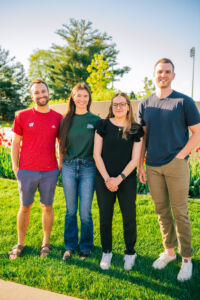 Medical Students:The lab is open to medical student trainees who share our enthusiasm for research and who are interested in making a meaningful impact in the field of cognitive development. Students can collaborate on laboratory and/or community-partnered research aimed at understanding: a) the natural history of executive function development in children with perinatal brain injuries, or b) improving access to an early cognitive intervention for infants at risk for cerebral palsy. Summer and year-round research opportunities provide a unique chance to engage in hands-on research activities, gain valuable experience in patient engagement, and contribute to groundbreaking work that has the potential to positively impact the lives of children with neurological histories. Projects hold significant appeal for medical students contemplating careers in Pediatrics, Child Neurology, Child Psychiatry, or Developmental Pediatrics. | |
 Connor SchimmelMy name is Connor Schimmel, and I am a sophomore at the University of Wisconsin–Madison, majoring in Neurobiology. My interest in developmental neuroscience led me to join the ICON Lab in 2025, where I contribute to data collection and analysis as an undergraduate research assistant. Outside of academics, I am an avid pianist, 50s music lover, and polar plunge fanatic. | 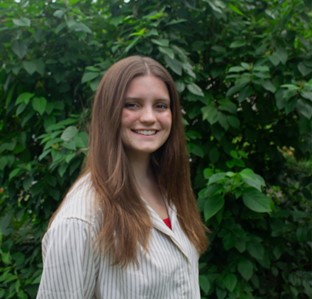 Rylee Van KeurenMy name is Rylee Van Keuren, and I am a junior at the University of Wisconsin – Madison, double majoring in Biochemistry and Neurobiology, with a certificate in Health Policy. I joined the ICON lab as an undergraduate research assistant in the summer of 2025. As an RA, I support in-person and virtual data collection and integration in both SPRINT and Virtual A² studies. I plan to continue my education in the medical field after my undergraduate studies. | |
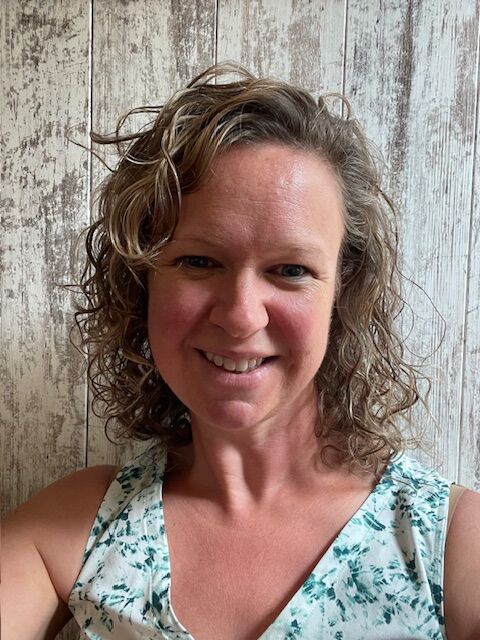 Katie FortneyMy name is Katie Fortney, and I am excited to join the lab as a Research Specialist. I bring 14 years of experience as a pediatric occupational therapist in the school setting, with a background in motor and sensory development. Throughout my career, I’ve loved building relationships with children and their families, and I’m looking forward to learning alongside you, sharing meaningful experiences, and supporting children’s growth and development through this research. Outside of work, I enjoy spending time with my husband and our three children, riding my bike, and singing with the Wisconsin Chamber Choir.
|
Alumni
 Maeve RyanMaeve Ryan will be graduating from the University of Wisconsin-Madison in 2024 and plans to pursue a career in education. |  Naba RaoNaba Rao graduated from the University of Wisconsin-Madison in 2023 and is taking a gap year in anticipation of pursuing a career in medicine. | |
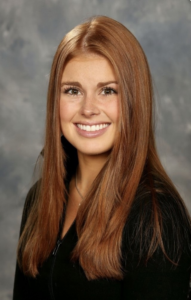
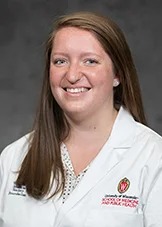 Jacky Dickman: Senior Medical Student Research Fellow |  Anna Sierantowicz – A² Coach |
CONTACT
- Clinical Science Center at the UW University Hospital, 600 Highland Ave, Madison, WI 53705
- Room K4/358A and B
Lab News
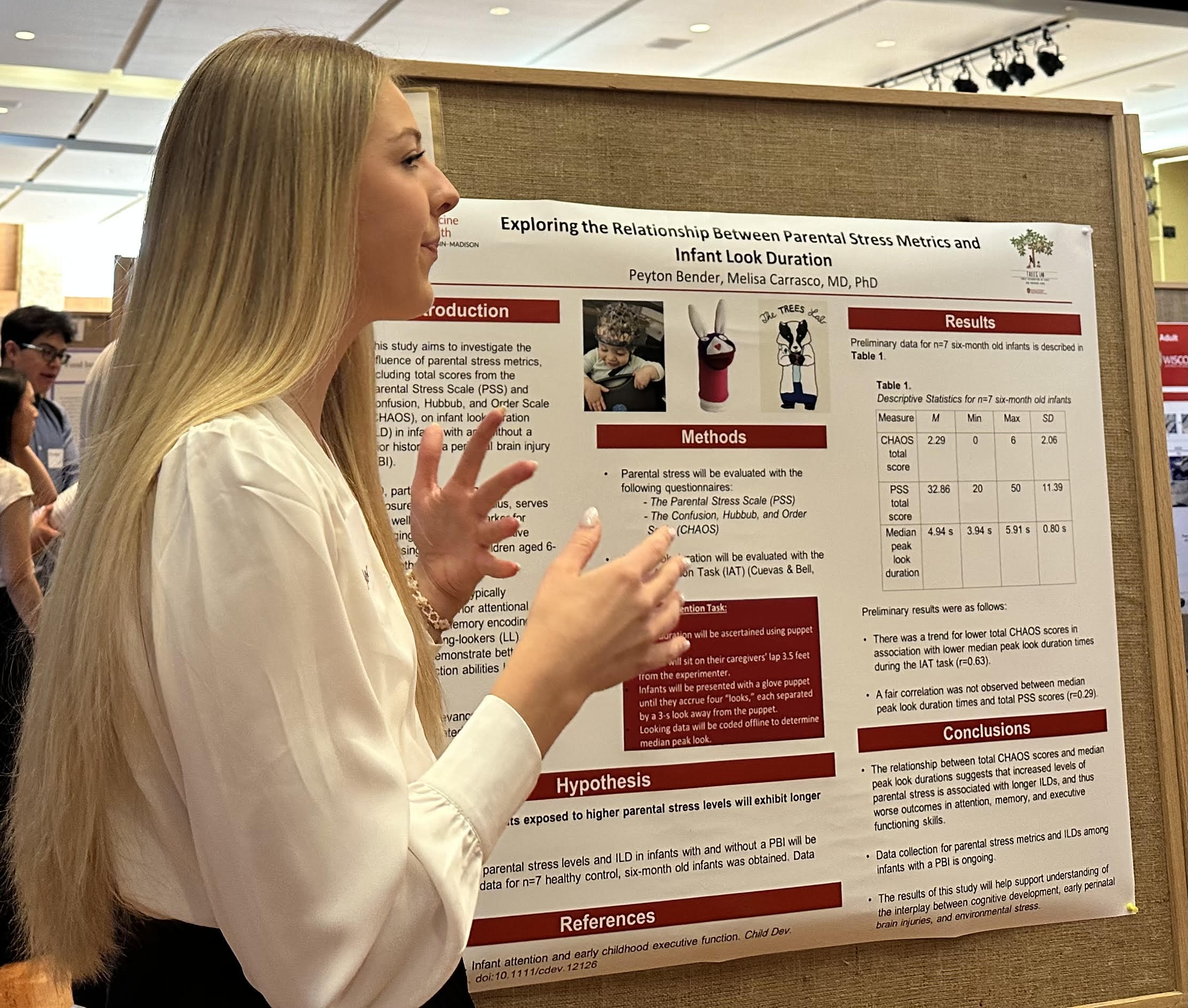 | 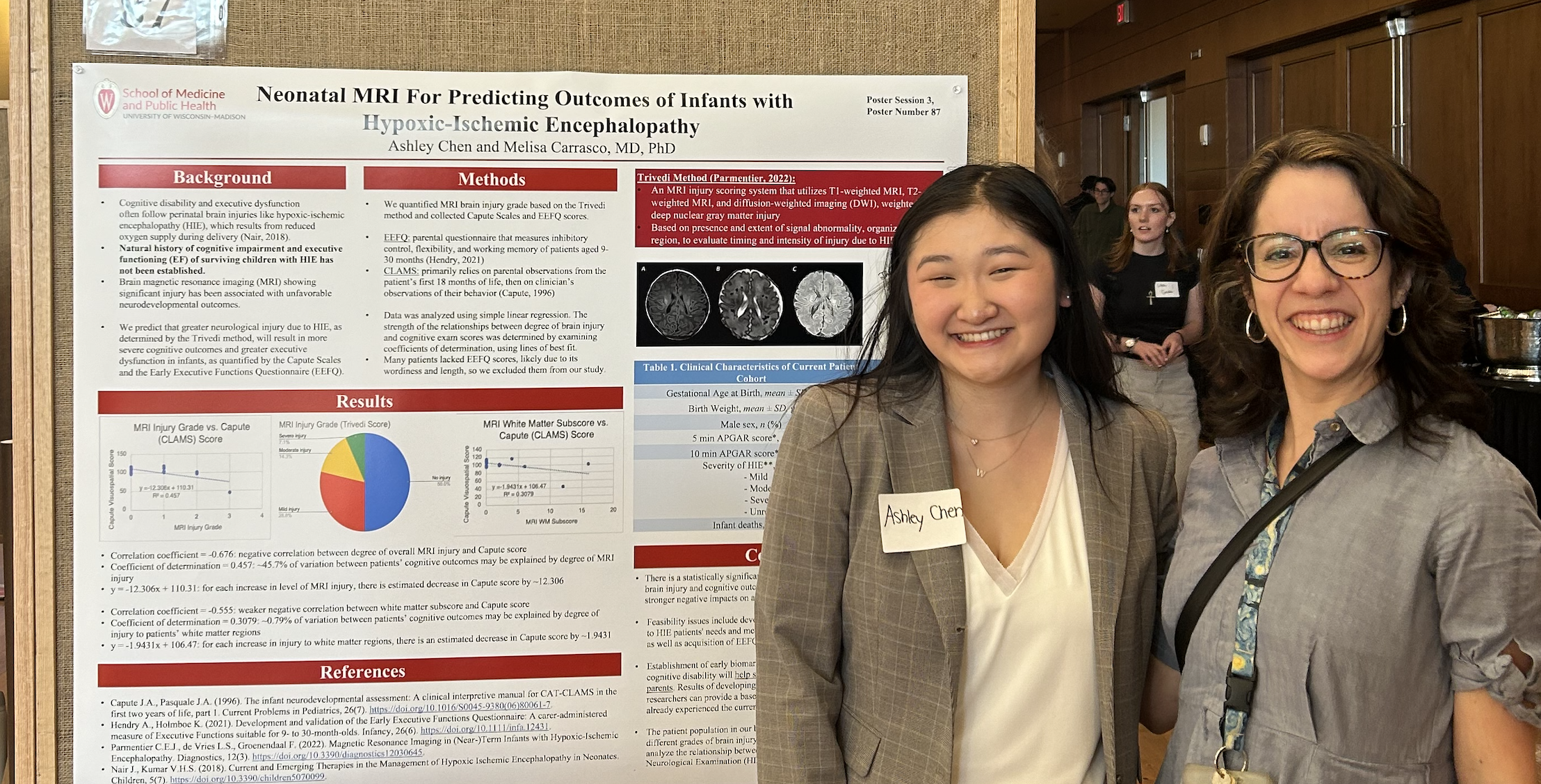 |
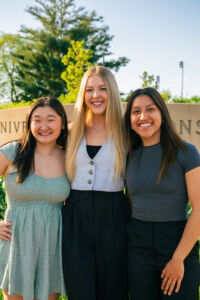
Undergraduate research assistants Peyton Bender and Ashley Chen were invited to participate at the University of Wisconsin Undergraduate Symposium 2024, as was Andrea Mendez (not pictured here).

Olivia Gibbs was invited to present her data as part of this year’s University of Wisconsin Undergraduate Symposium and did a terrific job during the posterior presentation.
